Alchemy
The slow art of changing the very soul of matter through fire and patience.
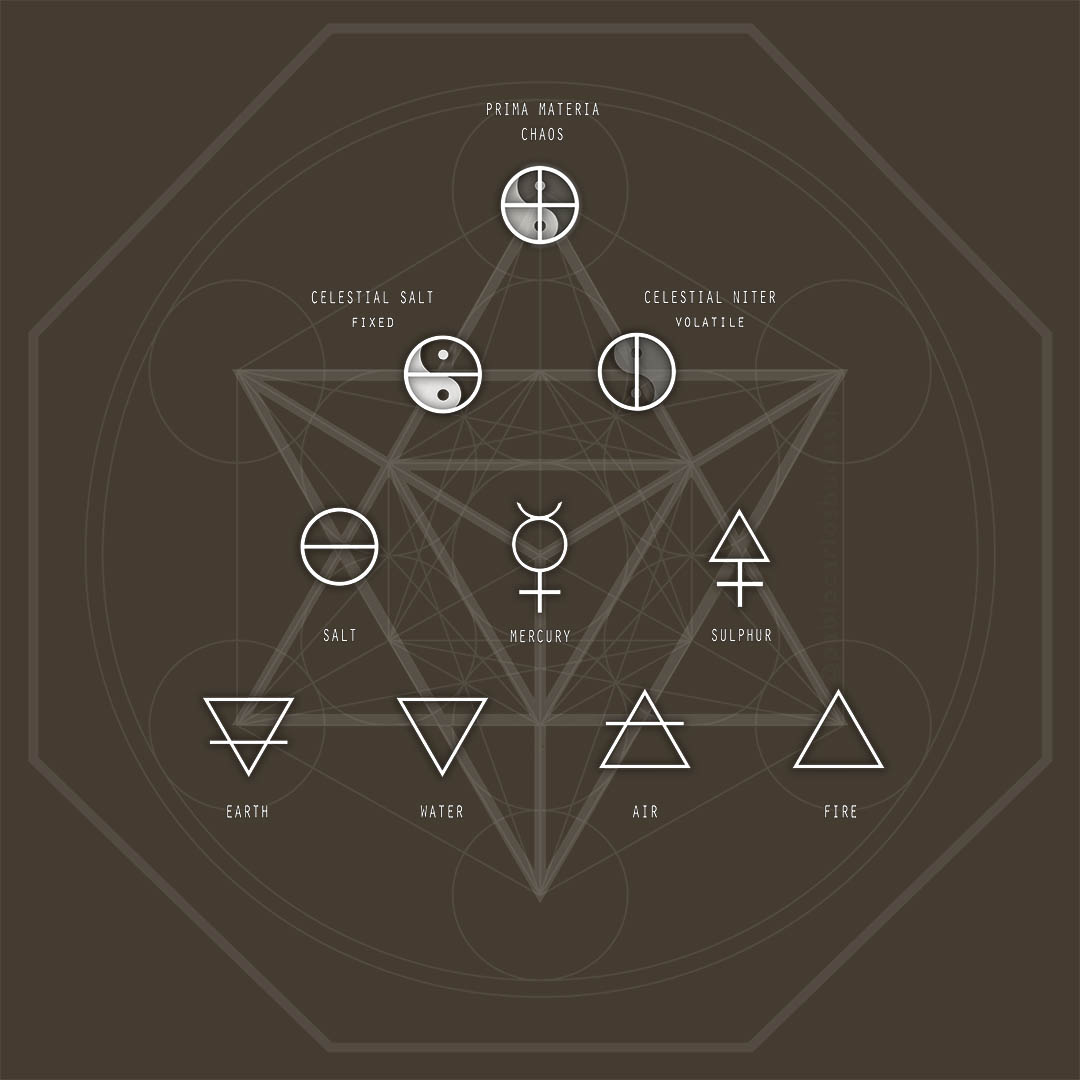
Within the University’s Arcanum, Alchemy occupies a contentious space between rigorous science and forbidden magic. Unlike Sympathy, which relies on sympathetic links and the conservation of energy to transfer force across distance, Alchemy demands physical reagents to fundamentally alter matter itself. It is not merely the art of transmutation but a study of intrinsic properties—seeking to refine base elements or distill essences through fire, time, and chemical precision rather than linguistic binding.
- Primary Institution
- University
- Notable Application
- Creation of medicinal tinctures, preservation techniques, and transmutation attempts
Lore & Background
To the common folk, alchemists are often figures of suspicion, rumored to turn lead into gold in shadowed cellars. At the University, however, it is treated as a discipline of material science, strictly separated from the mystical Naming or the volatile practice of Sympathy. Practitioners spend years cataloging the properties of metals and minerals, though the results are often slower than the explosive immediacy of sympathy. The Maer Alveron's patronage of household alchemists highlights its practical utility for medicine and preservation, yet the field remains perilous; toxic fumes and volatile reactions have claimed many students. Some argue that fundamentally rewriting matter is a violation of natural law, blurring the line between science and heresy. It is important to distinguish this University craft from otherworldly substances; for instance, Felurian's oil is implied to be of Fae origin rather than a product of alchemical distillation.
In Their Own Story
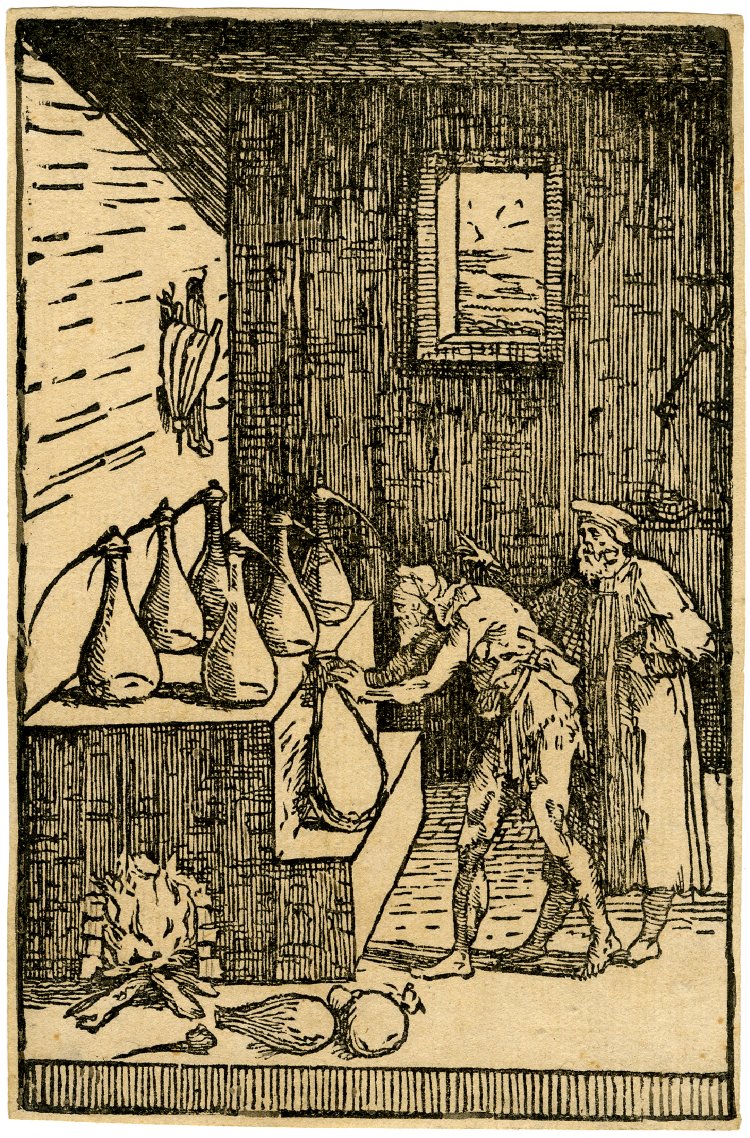
In the damp silence of the University’s lower archives, Kvothe traced his finger over a leather-bound treatise on transmutation. The text described the scent of sulfur and the weight of crushed stone required to coax lead into silver—a process demanding days of vigilance rather than a whispered name. He imagined the heat of the crucible, the slow dance of reagents reacting under glass, a stark contrast to the sharp snap of sympathy. 'The metal does not wish to change,' he read aloud, testing the weight of the words. It was a philosophy of persuasion rather than command, requiring an intimacy with matter that Sympathy’s cold logic rarely demanded.
Reader's Guide
Alchemy in the world of The Kingkiller Chronicle functions as a bridge between theoretical science and practical application. Unlike Sympathy, which uses names to bind objects and transfer energy instantly, Alchemy requires the physical manipulation of materials through heat, mixing, and chemical reaction. It is a slow process that demands a deep understanding of the properties of substances.
To practice alchemy, one must gather specific raw materials—metals, minerals, plant extracts—and subject them to precise conditions. The goal is often transmutation, such as turning base metals into gold, or the creation of potent reagents for medicine and poison. Success depends on the purity of ingredients, the temperature control, and the alchemist's intuition.
While the University teaches it as a formal discipline, true mastery is rare. Most practitioners are limited to creating useful compounds rather than achieving legendary transmutations. The art is wielded by scholars within the Candela, wealthy patrons like the Maer who seek its benefits, and occasionally by those on the fringes of society seeking forbidden knowledge.
Did You Know?
- Alchemy is frequently contrasted with Sympathy in University lectures, representing material alteration versus energy transfer.
- While rumored to create legendary substances like poisons or rare medicines, few alchemical secrets survive into the modern era of the Chronicler's time.
- Unlike Sympathy, which requires no physical ingredients beyond a sympathetic link, Alchemy is bound by the availability and cost of rare materials.
Narrative Architecture and Magic Systems
The Kingkiller Chronicle distinguishes itself through a complex "story-within-a-story" structure that frames the entire saga. The narrative alternates between an omniscient third-person perspective depicting Kvothe's present life as a humble innkeeper under a pseudonym, and his first-person recollections of a legendary past. This dual timeline allows Rothfuss to weave metafictional elements where characters within the story tell their own tales, creating layers of depth that tie directly into the main plot. Beyond its structural ingenuity, the series is grounded in a rich secondary world known as Temerant, featuring a sophisticated and varied magic system. Unlike traditional fantasy, this world blends alchemy with sympathetic magic, sygaldry—a unique fusion of runic magic and medieval engineering—and naming. Naming serves as a potent force allowing users to command classical elements and objects by knowing their true names. These magical disciplines are not merely plot devices but integral components that define the protagonist's journey from a wandering musician to an infamous arcanist known as the Kingkiller, showcasing a world where intellectual mastery is as vital as physical prowess.
Authorial Origins and Creative Influences
Patrick Rothfuss began crafting this epic fantasy in 1994, driven by a desire to merge two distinct literary traditions. He cited Edmond Rostand's play Cyrano de Bergerac as a profound emotional influence, admiring the protagonist's blend of brilliance, arrogance, and tragic heartbreak. Simultaneously, he drew inspiration from Casanova's memoirs, seeking to capture how an autobiography could be compelling when narrated by someone with both a gift for words and a life filled with adventure. This fusion aimed to create a picaresque tale with the emotional weight of a tragedy. The project initially bore the working title The Song of Flame and Thunder before being renamed to avoid confusion with George R.R. Martin's series and because Rothfuss disliked the original moniker. After completing a rough draft in 2000, which he later described as flawed, his career trajectory shifted dramatically following a victory in a Writers of the Future contest in 2002. This win connected him with author Tim Powers and eventually an agent who helped refine the manuscript into The Name of the Wind, securing its publication by DAW in 2007.
Publication History and Unfinished Trilogy
Although planned as a trilogy, the release schedule for The Kingkiller Chronicle has been marked by significant delays that have become a point of contention among fans. Following the success of the first two books, which sold over ten million copies combined, Rothfuss promised annual releases for subsequent volumes. However, extensive revisions to the second book, The Wise Man's Fear, including the integration of the frame narrative and new characters, pushed its release to 2011. The third installment, tentatively titled The Doors of Stone, remains unreleased as of 2026 despite being discussed for nearly two decades. Rothfuss has attributed these delays to personal struggles with mental health and the unique challenges the final book presents compared to its predecessors. His editor, Betsy Wollheim, expressed public frustration in 2020 regarding the lack of progress on the manuscript nine years prior. While Rothfuss intends for this volume to conclude Kvothe's primary arc, he has indicated that further stories within the world of Temerant are forthcoming, leaving readers in a prolonged state of anticipation.
Expanded Universe and Media Adaptations
Beyond the core trilogy, Patrick Rothfuss has expanded the lore through several related works that explore secondary characters and settings. Notable additions include The Lightning Tree and its later revision, The Narrow Road Between Desires, which focus on Bast, a character from the main narrative. Additionally, The Slow Regard of Silent Things offers a unique perspective centered on a minor character from the primary plot. In 2012, Rothfuss also sold plans for a standalone novel titled The Tale of Laniel Young-Again, though it was shelved to prioritize the completion of the trilogy. Efforts to adapt the series for screen have been equally complex; rights were optioned by 20th Century Fox in 2013 but reverted to Rothfuss in 2015 after development stalled. Subsequently, Lionsgate became involved with plans for film and television adaptations, even attaching Lin-Manuel Miranda as an executive producer. Despite Showtime beginning development in 2017, the project eventually ended, leaving the visual realization of Temerant unrealized while the literary world continues to grow through novellas.
Gallery



Frequently Asked Questions
What exactly is Alchemy at the University?
It is a core discipline within the Arcanum that focuses on changing matter through fire, time, and chemical reagents rather than force transfer. Practitioners analyze inherent qualities to purify raw materials or extract specific spirits using heat.
How does Alchemy differ from Sympathy?
Sympathy transfers force remotely using links, whereas Alchemy requires direct physical interaction with the target material. Its goal is to permanently change the substance's composition rather than just moving energy around.
Does Kvothe use Alchemy often?
Kvothe studies it at the University but relies on it less than Sympathy for his immediate combat needs. He does apply alchemical principles to create poisons, antidotes, and various tinctures throughout his journey.
Is Alchemy considered magic or science in-universe?
The University treats it as a hybrid field where natural laws overlap with supernatural results. Scholars frequently argue over whether its transformations rely on chemistry or hidden magical forces.
What are the primary tools or requirements for Alchemy?
Success requires physical reagents, precise control of heat, and significant patience rather than linguistic binding. Masters describe it as a process that fundamentally alters the essence of materials over long periods.